

What to Do After a Car Accident
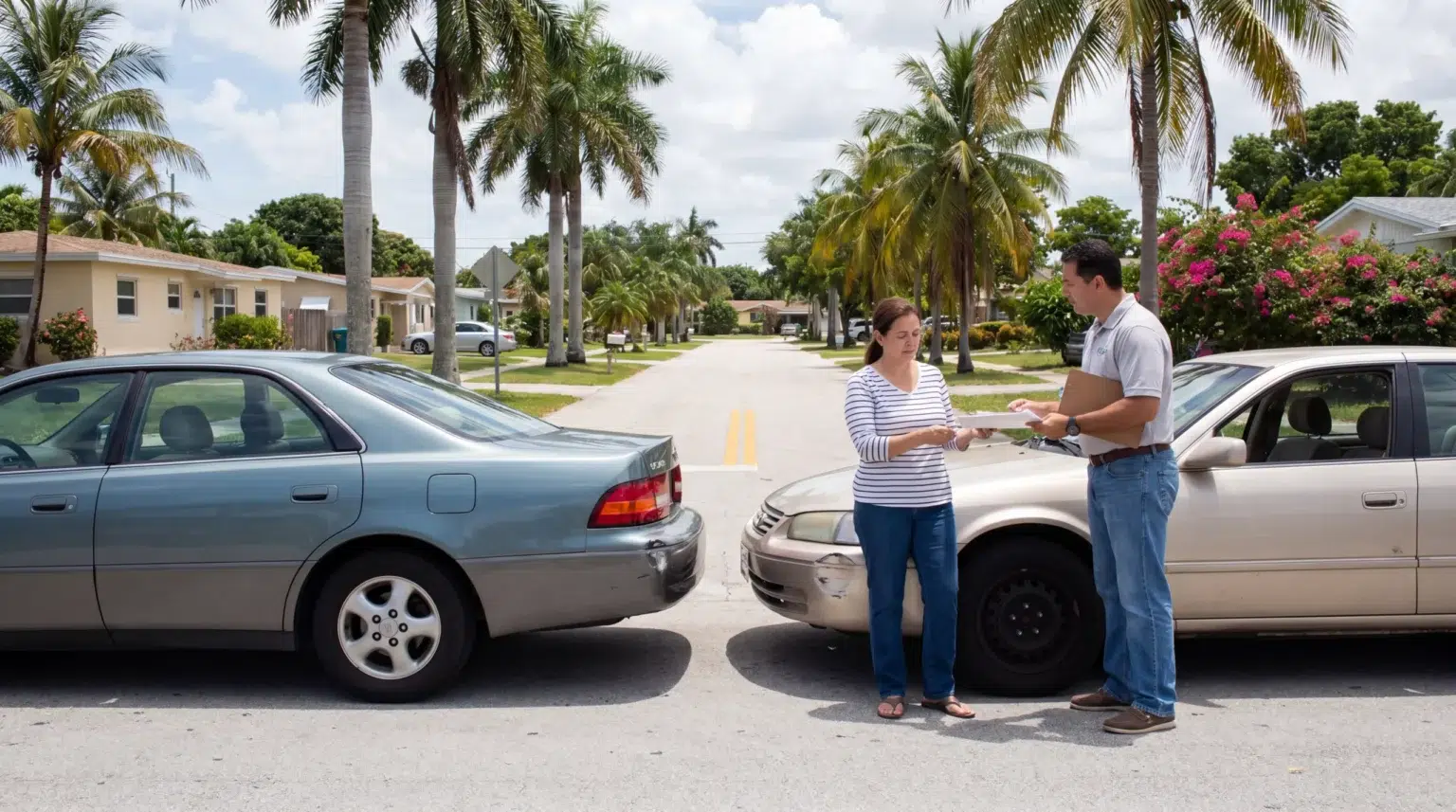
In those first moments after a crash, you may feel shaken and unsure what to do. The decisions you make in that window can affect your safety, your insurance claim, and your ability to recover compensation.
Knowing what to do after a car accident gives you more control over what happens next and puts you in a stronger position before an insurance company can act. This guide covers what to do at the scene, what to avoid, and when to call a lawyer.
What Is the First Thing You Do After a Car Accident?
Most people’s reaction is “What do I do?” After a crash, the first priority is safety. Paperwork or insurance details can be dealt with later.
Check yourself, your passengers, and anyone in the other vehicle for injuries. If the vehicles can move safely, pull them out of traffic and turn on your hazard lights. Stay at the scene and don’t leave before police arrive. If you feel disoriented, stay still and wait for emergency responders instead of moving too quickly.
Even if everyone seems fine, call 911. Police officers create an official accident report that can become important evidence later if there’s an insurance dispute or personal injury claim. That report may include road conditions, driver statements, and the officer’s initial assessment of what happened.
After a car accident, safety and calling emergency services should always come first. Once everyone is safe and authorities are contacted, the focus shifts to documenting the scene.
Steps to Take at the Scene
What you do after a car crash can directly affect your medical recovery and your ability to pursue compensation later. Knowing what to do immediately after an accident helps you act quickly and avoid mistakes in those first critical minutes.
- Call the police: Request a police officer at the scene, even if the accident seems minor. A police report often becomes one of the most important documents when dealing with insurance companies or attorneys later. Answer questions as accurately as you can, but don’t guess if you’re unsure about details.
- Seek medical attention: If anyone is injured, call for emergency medical help right away. Even mild pain matters because injuries like whiplash, concussions, and soft tissue damage may not show up until hours or days later. Getting checked also creates a medical record that connects your injuries to the crash.
- Exchange information: Collect the other driver’s name, contact details, license plate number, driver’s license information, and insurance details. If there are witnesses, get their names and phone numbers too. Witness statements can help if fault is disputed later.
- Document the scene: Take clear photos of all vehicles, visible damage, road conditions, traffic signs, skid marks, and injuries. Capture multiple angles before anything is moved, if possible. If you can, take a short video to show traffic flow, weather, or other conditions.
- Be careful what you say: Don’t apologize or admit fault. Even casual comments can be used against you later by insurance companies. Keep communication brief, calm, and factual while authorities gather information.
What to Do After Leaving the Scene
Once you’ve left the scene, a few more steps can protect your claim and help you avoid costly mistakes.
- Notify your insurance company: Report the accident as soon as you can, even if the other driver was at fault. Most policies require prompt notice, and delays can complicate your claim. Share basic facts, but don’t speculate about fault.
- See a doctor: Get evaluated by a medical professional as soon as possible, even if you feel okay. Medical records help connect your injuries to the accident, which matters if symptoms appear later. Follow treatment instructions so your recovery is properly documented.
- Keep records of everything: Save medical bills, repair estimates, prescriptions, missed work notes, and all insurance communications. These documents help show the full impact of the accident. Staying organized also makes the claims process easier if things escalate.
- Contact a car accident lawyer: Before accepting any settlement, speak with an attorney. Insurance companies often try to settle quickly for less than a claim may be worth. A lawyer can review your situation and help you understand potential future costs you might not have considered.
Should I File an Insurance Claim If I Am Not at Fault?
Yes, you should still file a claim even if the other driver caused the crash.
Many people wonder what to do if you get in a car accident when fault seems obvious. Fault can be disputed later, and insurance companies don’t always agree on what happened. Filing a claim creates a formal record that protects you if the story changes.
It also matters because injuries can develop over time. If you wait too long, it may be harder to link your injuries to the accident. Every state has deadlines for filing personal injury claims, and missing those deadlines can affect your ability to recover compensation.
When in doubt, file the claim and speak with an attorney before signing anything or accepting payment.
What Should You Not Do After a Car Accident?
Knowing what to avoid is just as important as knowing what to do after a car crash.
- Don’t leave the scene: Leaving before speaking with police or exchanging information can create legal problems, even in minor accidents. Stay until the situation is properly documented.
- Don’t admit fault: Avoid saying anything that suggests blame, including apologies. Stick to facts when speaking with police, witnesses, or insurance companies.
- Don’t skip the doctor: Some injuries don’t show symptoms right away. Waiting too long gives insurers a reason to question whether the accident caused your injuries.
- Don’t post about the accident on social media: Photos or comments can be taken out of context and used to challenge your claim. It’s best to avoid posting anything related to the accident.
- Don’t accept a quick settlement: Early offers may not reflect the full cost of medical care, lost wages, or future treatment. Once you accept, you usually can’t go back and ask for more.
When to Contact a Car Accident Lawyer
Not every accident requires a lawyer, but some situations make legal help important.
You should consider speaking with an attorney if you’ve been injured, have significant property damage, or lost income due to the accident. It also helps when insurance companies dispute fault or undervalue your claim. A lawyer can review the full picture – medical costs, future treatment, and lost wages – before you agree to anything.
Most car accident lawyers work on a contingency fee basis, so you don’t pay anything upfront and only pay if your case is successful.
Ward Law Is Here to Help
Knowing what to do after a traffic accident helps you protect your health, your finances, and your rights. The steps you take early can make a real difference, especially when the situation feels overwhelming.
At Ward Law, we help injured individuals and families decide what to do after an accident and move forward with clarity and support. We provide bilingual service in English and Spanish and work on a contingency fee basis with no upfront costs. Whether you’re looking for a car accident lawyer in NYC, a personal injury lawyer in Miami, FL, or an Orlando car accident lawyer, Ward Law offers free consultations with no fees unless we win.
Call 855-DOLOR-55 or schedule a free consultation today.
