

When to Consult a Lawyer for a Truck Accident
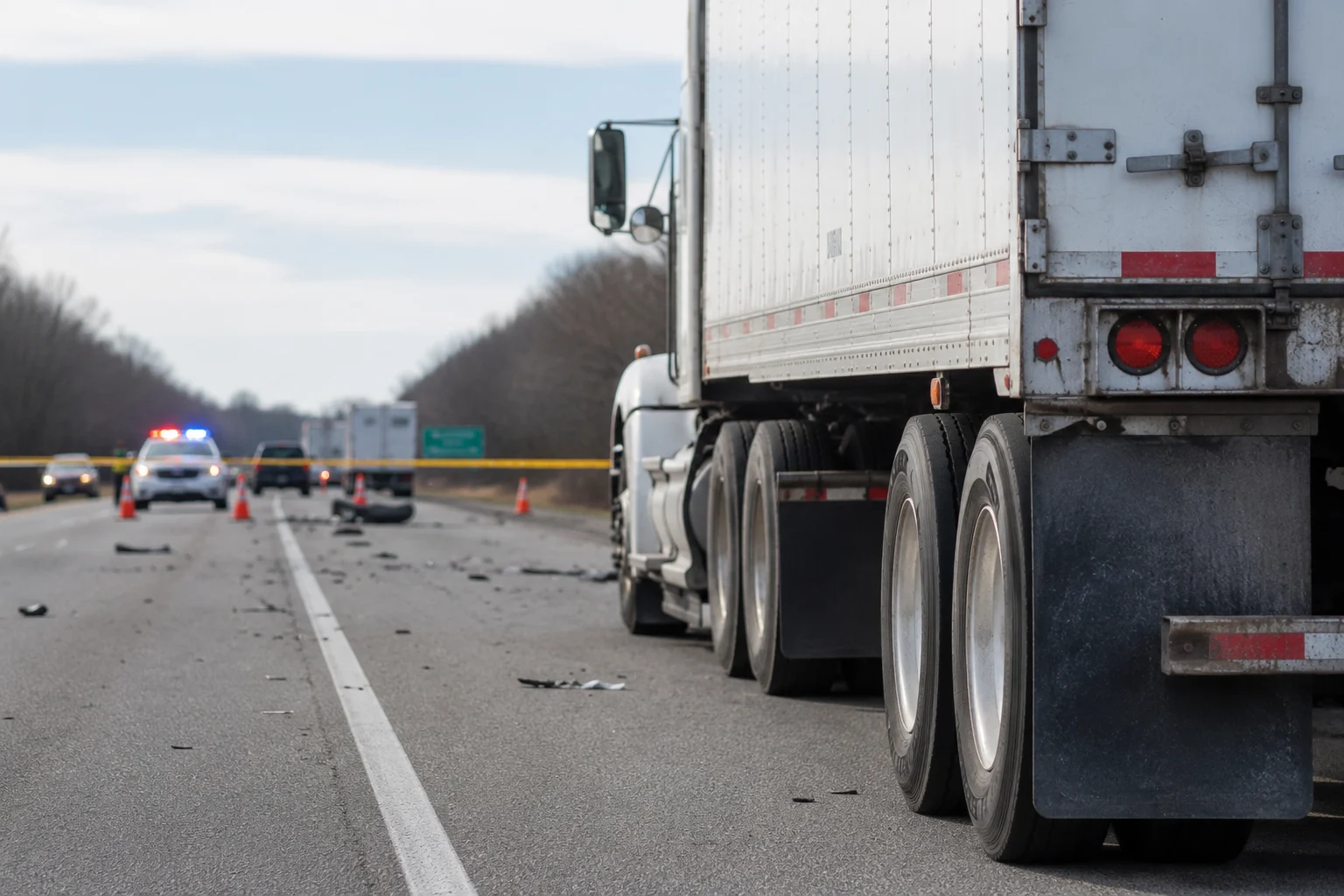
A truck accident puts a lot in motion at once: injuries, vehicle damage, medical appointments, insurance calls, and a growing pile of questions about what your case might involve.
Truck accidents tend to be more complicated than typical car crashes. The vehicles are bigger, the injuries more severe, and the number of parties involved (the driver, the carrier, potentially a manufacturer or shipper) can shape your legal options in ways that aren’t obvious early on. Knowing when to consult a lawyer for a truck accident helps you protect your rights before decisions get made that narrow them.
The other reason not to wait: evidence. Trucking companies move fast after a crash to document the scene on their own terms. An attorney can push back on that, handle insurance pressure, and let you focus on recovery.
How Is a Truck Accident Different From a Car Accident?
Truck accidents are more complex than typical car crashes in ways that directly affect your claim.
Commercial trucks can weigh up to 80,000 pounds when fully loaded. That level of force tends to produce severe injuries, totaled vehicles, and recovery timelines that may include multiple specialists, rehabilitation, and long-term care extending well past the initial accident.
Because commercial trucking policies carry higher coverage limits, insurers investigate aggressively from the start. Their goal is often to establish a liability narrative before the full extent of injuries is known.
The legal structure is also more layered. A single crash may involve the driver, the trucking company, maintenance providers, and cargo loaders – each potentially carrying some share of responsibility. These cases fall under federal safety rules from the Federal Motor Carrier Safety Administration (FMCSA), which governs driver hour limits, vehicle maintenance standards, and detailed recordkeeping requirements.
There’s also time-sensitive electronic data to consider: engine control modules, GPS tracking, and dispatch logs that can establish what happened in the moments before impact. Trucking companies aren’t required to preserve that data indefinitely, and without legal action it can disappear.
That’s the environment your claim lives in from day one.
Who Can Be Held Liable in a Truck Accident?
One of the most important differences in truck accident cases is that liability often extends beyond a single driver. Truck accidents are usually the result of a chain of responsibility rather than one isolated mistake. Identifying each link in that chain is essential for understanding the full value and structure of a claim.
- The truck driver: Driver fatigue, distraction, speeding, or impairment can directly cause a crash and may serve as the starting point for liability. Violations of federal driving hour limits are also common in these cases.
- The trucking company: Employers may be responsible for unsafe hiring practices, inadequate training, unrealistic delivery schedules, or failure to maintain vehicles. Company pressure can sometimes contribute to unsafe driving behavior.
- Cargo loaders: Improperly secured or overloaded cargo can shift during transport. This can cause rollovers, jackknife accidents, or roadway debris hazards.
- Maintenance contractors: Mechanical failures tied to missed inspections or poor repairs can place responsibility on third-party service providers.
- Manufacturers: Defective components such as brakes, tires, or steering systems can create liability under product responsibility laws.
In some cases, additional parties may also be involved depending on how the crash happened.
Identifying all responsible parties requires detailed investigation. That becomes harder as time passes after the accident.
How Soon Should You Contact a Lawyer After a Truck Accident?
Once immediate medical needs are addressed, contact a lawyer as soon as possible.
Truck accident cases depend on evidence that disappears fast. Black box data, driver logs, GPS records, and dispatch communications can be overwritten within days. Trucking companies often send investigators to the scene immediately to document conditions and begin building their liability position before you’ve left the hospital.
One of the first things an attorney can do is issue a spoliation letter, a formal legal notice requiring the other parties to preserve all relevant records. Without it, there’s no obligation to hold anything.
Statutes of limitations add another layer of urgency. Deadlines for filing a personal injury claim vary by state, and missing them can bar you from pursuing compensation even if your case is otherwise strong.
The earlier you bring in legal help, the more options stay open.
Signs You Should Consult a Truck Accident Lawyer
While timing matters, certain situations strongly indicate that legal support is necessary.
- You suffered serious injuries: Hospitalization, surgery, or long-term treatment often signals a claim involving significant damages. These cases may include future medical care, rehabilitation, and lost income.
- Fault is disputed or unclear: Legal support can help investigate the crash, analyze evidence, and respond to attempts to shift blame.
- The insurer contacted you quickly: Early outreach may involve requests for recorded statements or fast settlement offers before the full extent of injuries is known. These offers often don’t reflect long-term needs.
- Multiple parties may be responsible: More parties mean more insurance coverage layers and more complexity in determining responsibility.
- A fatality occurred: Wrongful death cases involving commercial trucks require careful handling due to emotional and financial complexity.
If any of these situations apply, knowing when to consult a lawyer for a truck accident becomes an important step toward protecting your future.
What a Truck Accident Lawyer Does for Your Case
A truck accident case involves far more than filing paperwork or submitting a claim. Legal support focuses on protecting evidence, identifying responsibility, and building a complete understanding of what happened.
- Preserving evidence: Issues legal notices to secure black box data, driver logs, surveillance footage, GPS records, and maintenance reports before they’re lost or altered.
- Investigating liability: Reviews all potential sources of fault beyond the driver, including companies, contractors, and manufacturers.
- Handling insurer communications: Manages conversations with insurance companies to prevent pressure tactics or undervalued settlement offers.
- Calculating full damages: Evaluates medical costs, future treatment, lost wages, reduced earning capacity, and pain and suffering.
- Preparing for trial if needed: Builds a case with trial readiness in mind, which can strengthen negotiation leverage.
Each step helps ensure the case reflects the full impact of the accident.
Talk to a Truck Accident Lawyer Before It’s Too Late
Truck accident cases move quickly, and the other side often begins building its defense before you’ve had time to think clearly about your options. Waiting too long can mean lost evidence, missed filing deadlines, or an early settlement offer that doesn’t account for the full cost of your injuries.
At Ward Law, we support injured clients from the very beginning. We offer free consultations, work on a contingency fee basis so you don’t pay unless we win, and provide bilingual services in English and Spanish so communication is never a barrier.
Whether you’re looking for a truck accident lawyer in NYC, a truck accident lawyer in Orlando, or a Miami truck accident lawyer, Ward Law is ready to help.
Call 855-DOLOR-55 or schedule a free consultation today.
